Review: Christmas Circle Embroidery Wrap for Craft Fairs
As an embroidery designer who has spent countless weekends behind a booth table, I know that the difference between a browser and a buyer often comes down to visual impact. When I first pulled up the Christmas Circle Embroidery Wrap, my immediate thought was about versatility. This isn’t just another holiday motif; it is a strategic asset for any small shop product line. The circular format suggests movement and completeness, making it ideal for wrapping around cuffs, hems, or centering on flat surfaces. For those of us selling handmade products, finding a design that balances festive charm with professional polish is rare.
First Impressions and Aesthetic Appeal
The title alone gives us a clue about the structure. A "wrap" implies continuity, which is visually satisfying to the human eye. In a crowded craft fair environment, customers scan tables quickly. A circular design draws the eye inward, creating a focal point that feels intentional and premium. Whether your brand leans toward rustic farmhouse, modern minimal, or traditional festive, this type of geometry adapts well. It feels decorative yet controlled, avoiding the clutter that sometimes plagues holiday design assets.
When evaluating this as a digital embroidery file, I look for clarity. Does it read well from three feet away? The circular composition usually allows for bold outlines or dense fill areas that stand out against various fabric backgrounds. For an Etsy seller or boutique maker, this means the thumbnail image in your online listing will likely perform well, provided you use high-contrast thread colors.
Product Applications for Maximum Sales
The true test of any machine embroidery design is its adaptability across different substrates. Here is how I would deploy the Christmas Circle Embroidery Wrap in a real-world production scenario:
- Tote Bag Design: Placing this on a canvas tote creates an instant bestseller. The circle can sit centrally or wrap slightly around a corner pocket. It transforms a basic bag into a craft fair product that feels giftable and substantial.
- Apron Embroidery: Imagine this stitched on the bib of a linen apron. The circular motif breaks up the large rectangular space beautifully, adding a touch of holiday warmth to kitchen wear.
- Tea Towel Embroidery: This is perhaps the most natural fit. A circular wrap looks elegant when centered on a flour sack towel. It is small enough to be quick to stitch but detailed enough to justify a higher price point.
- Embroidered Patch: If the design holds up at a smaller scale, turning it into an iron-on patch allows customers to customize their own jackets or bags. This appeals to the DIY crowd while still utilizing your commercial embroidery skills.
- Caps and Beanies: Curved surfaces are tricky, but a circular design can work if scaled correctly. It sits neatly on the front panel of a cap without distorting too much over the curve.
Production Practicalities and Technical Notes
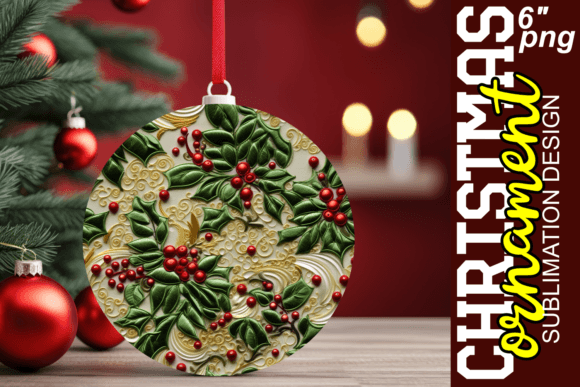
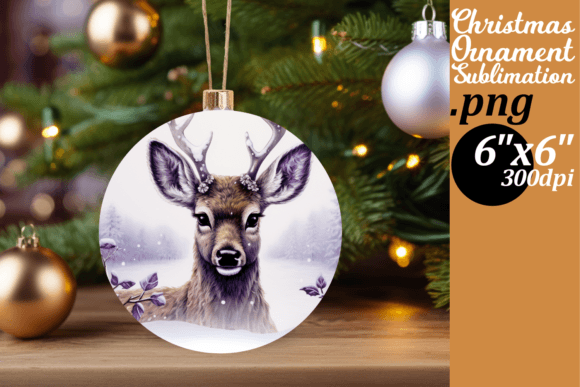
Before you commit to stitching fifty units for your next market, there are critical technical considerations. The product description contains a vital warning: "To effectively use this file, a thorough understanding of sublimation is essential. Ensure you have the requisite software and equipment before purchasing, as I can’t assist with the process."
This note is crucial. It suggests that while we are discussing embroidery, the file might be intended for sublimation printing or requires a hybrid approach. However, if we are treating this strictly as an embroidery project based on our typical workflow, we must verify the file type. If it is indeed an embroidery file, you must check the stitch density. Holiday designs often suffer from being too dense, which can cause puckering on lightweight fabrics like tea towels. Always test on scrap fabric first.
Consider the following production checks:
- Hoop Size: Confirm the design fits your standard hoop. A circular wrap might require a larger hoop than a standard monogram, affecting your production speed if you have to re-hoop frequently.
- Stabilizer: Choose the right stabilizer for your fabric texture. Cut-away stabilizer is best for stretchy fabrics like caps, while tear-away works for woven towels.
- Thread Colors: Test contrast. If you are stitching on dark fabric, ensure the design includes satin stitches or bright fills that pop. Muted tones may get lost in low-light booth conditions.
- Small Details: Inspect tiny elements. If the "wrap" includes fine lettering or intricate borders, these may not digest well on textured towels. Simplify if necessary by adjusting pull compensation in your software.
Visual Impact and Brand Consistency
Using the Christmas Circle Embroidery Wrap consistently across your product line strengthens your brand. When a customer sees the same high-quality motif on a pillow cover, a market bag, and a pouch, they perceive a cohesive collection. This increases the perceived value of each finished product. It moves your items from "cute crafts" to "curated home goods."
For online sales, create a printable mockup or a digital composite showing the design on multiple items. This helps buyers visualize the versatility. Remember, the goal is to make the customer feel that buying one item isn't enough—they need the whole set because the design ties them together so beautifully.
Final Verdict for Craft Fair Sellers
The Christmas Circle Embroidery Wrap has strong potential as a anchor design for your holiday lineup. Its geometric nature offers a modern twist on traditional holiday themes, appealing to a broader demographic than just traditionalists. However, success depends on execution. Do not skip the test stitch. Verify the license terms for commercial embroidery use, especially given the ambiguous note about sublimation in the description. If it is purely an embroidery file, ensure your machine can handle the density. If it requires sublimation, ensure you have the heat press and printer ready.
Ultimately, this design works best when treated as a premium accent. Use it on items where the fabric quality shines, such as linen aprons or heavy cotton totes. Avoid overcrowding the design with additional elements; let the circle speak for itself. With careful attention to thread colors and proper stabilization, this Graphics asset can become a staple in your Crafts inventory, driving engagement and sales throughout the holiday season.