Review: Mardi Gras Faux Embroidery Sport Letters
As a designer who has spent years staring at digitized stitch paths and troubleshooting thread breaks, I approach every new machine embroidery design with a healthy dose of skepticism. We have all been there: you buy a file that looks stunning in the preview, only to find it turns into a bird’s nest of tangled thread on your actual garment. That is why I took a close, practical look at the Mardi Gras Faux Embroidery Sport Letters. This isn’t just another decorative font; it is a specific tool for creators working in the Crafts and Graphics space who need reliable, high-impact lettering.
First Impressions and Visual Personality
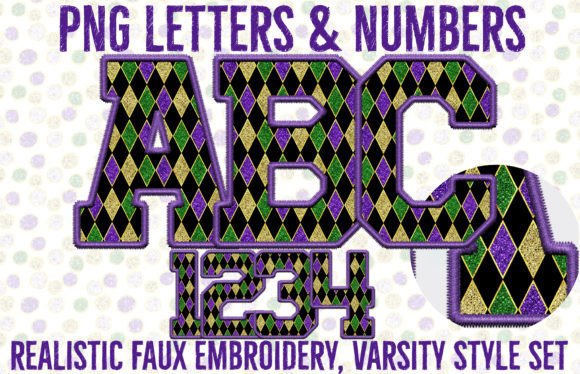
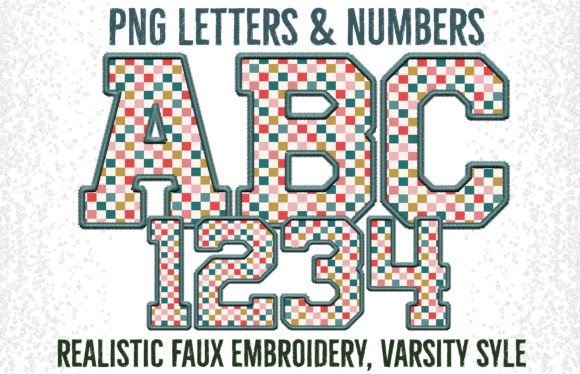
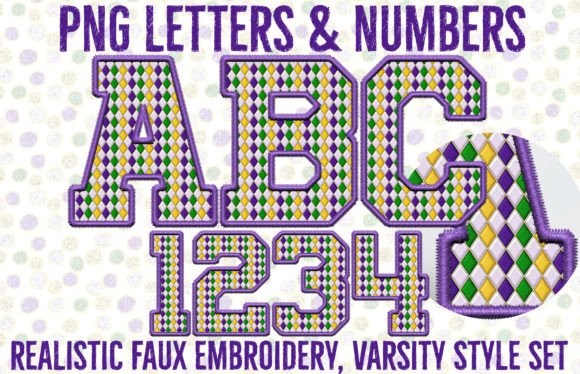
The first thing that strikes you about this set is the bold, athletic energy it carries. The "Sport" designation is accurate. These letters are thick, rounded, and substantial. They do not whisper; they shout. The faux embroidery effect is cleverly rendered to mimic the texture of real stitching without requiring the machine to do the heavy lifting. For those of us who sell handmade products, this distinction is crucial. It allows for a stitched look on items where actual embroidery might be too costly, time-consuming, or technically difficult due to fabric constraints.
The mood is festive yet structured. While the title references Mardi Gras, the design itself is versatile enough for any occasion requiring high visibility and fun. It feels appropriate for team jerseys, party decor, or playful personalized gifts. The visual personality is friendly and approachable, lacking the sharp, aggressive edges of some collegiate fonts. This makes it safer for a broader range of clients, from sports parents to boutique owners looking for something whimsical.
Real-World Application: The Tote Bag Test
To truly evaluate these design assets, I imagined a common scenario for many Etsy sellers and small shop owners: creating a custom tote bag design for a local community event. I needed lettering that would stand out against a natural canvas background but wouldn’t require hours of machine time per bag. Using the PNG characters from this set, I mocked up a design featuring a participant’s name.
The result was impressive. Because these are finished PNG files and not editable vector SVGs, the workflow is different. You are placing pre-rendered images, which means consistency is guaranteed. Every "A" looks exactly like every other "A". In a real embroidery project, this uniformity helps maintain brand consistency across multiple items. For a craft business, speed is money. Being able to drag, drop, and resize these characters in design software like Canva or Photoshop streamlines the creation of printable mockups and final production files significantly.
Versatility Across Product Lines
Beyond tote bags, I see strong potential for these graphics in several other areas:
- Sweatshirt embroidery simulations: Perfect for sublimation prints on polyester blends where real thread might get lost in the fleece.
- Baby embroidery themes: The rounded edges are soft and safe-looking, ideal for nursery decor or baby onesies where comfort is key.
- Holiday embroidery: While labeled for Mardi Gras, the vibrant style works for birthdays, school events, or summer camps.
- Custom apparel previews: Use these to show clients what their name could look like before committing to digitizing a complex font.
It is important to remember that these are Graphics, not stitch files. The product description clearly states that digital files include 42 PNG Characters (A-Z, 0-9) and extras like apostrophes, commas, and hyphens. They are sent as finished files and are not for editing. This is a critical distinction. You cannot change the stitch type from a satin stitch simulation to a fill stitch because there are no actual stitches to manipulate. You are working with pixels, not needle penetrations.
Technical Considerations and Limitations
While the aesthetic appeal is high, a professional designer must consider the limitations. Since these are PNGs, they rely on resolution. If you stretch a small character to fit a large hoop size area on a banner, you risk pixelation. Always check the DPI of the provided files before scaling them up for large format commercial embroidery signage or large embroidered patch designs.
Furthermore, because this is not an applique design or a true embroidery file (like DST or PES), you cannot use it directly in your embroidery machine software to generate stitch data. This set is best used for:
- Sublimation printing, as hinted by the description mentioning "Sublima."
- Digital mockups for client approvals.
- Print-on-demand services where the design is printed, not stitched.
- Hybrid projects where the graphic is printed onto fabric that is then appliquéd onto a garment.
If you are planning to use this for actual machine stitching, you would need to trace these PNGs in your digitizing software to create a new digital embroidery file. This adds a step but allows for complete control over stitch density and thread colors.
Fabric and Surface Compatibility
When using these graphics for sublimation or heat transfer, consider the fabric texture. Smooth, light-colored polyester blends will yield the crispest results. Dark fabrics may require a white underbase or a different printing method, as PNGs typically do not include white ink layers unless specified. Avoid using these on highly textured surfaces like terry cloth towels if clarity is essential, as the faux stitch detail might blur into the fabric pile.
For caps and curved surfaces, the rigid structure of sport letters can sometimes look distorted if not applied carefully. Ensure your application method accounts for the curvature to maintain the legibility of the characters.
Enhancing Product Value and Customer Trust
In the world of online sales, presentation is everything. A high-quality finished product photo often relies on a realistic mockup. Using Mardi Gras Faux Embroidery Sport Letters allows you to create lifelike previews without sewing a single sample. This saves material costs and reduces waste, which is a significant advantage for small shop product lines with tight margins.
Customers respond to perceived quality. The faux embroidery look suggests durability and craftsmanship, even if it is printed. This can increase the perceived value of your custom apparel or holiday gifts. However, transparency is key. If you are selling a printed item, ensure your listing describes it accurately to avoid customer confusion between printed graphics and actual thread work.
Practical Designer Notes
Before integrating this set into your workflow, keep these tips in mind:
- Test on scrap material: If sublimating, run a test print to check color vibrancy and alignment.
- Check contrast: Ensure your thread colors (or ink colors) stand out against the background fabric. Sport letters rely on boldness; low contrast will weaken the impact.
- Verify licensing: Although these are finished PNGs, confirm the license terms for commercial use. Most graphic sets allow for use in physical products you sell, but reselling the digital files themselves is usually prohibited.
- Mind the details: Since you cannot edit the internal structure, pay attention to how characters kern together. You may need to manually adjust spacing in your design software to ensure words look balanced.
- Stabilizer is irrelevant here: Remember, since this is a graphic for printing or digital use, you do not need to worry about stabilizer types or running stitch anchors unless you are re-digitizing them for actual embroidery.
In conclusion, Mardi Gras Faux Embroidery Sport Letters is a specialized tool. It is not a replacement for a comprehensive library of machine embroidery fonts, but it is an excellent asset for designers who need quick, consistent, and visually appealing lettering for sublimation and digital mockups. For the creative entrepreneur looking to expand their product line with minimal setup time, this set offers a practical, professional solution.