Reviewing Clover Machine Embroidery Designs for Branding
As an embroidery designer who has spent years digitizing and stitching logos for small businesses, I approach every new machine embroidery design with a critical eye. It is not just about whether a motif looks pretty on a screen; it is about how it performs on fabric, how it holds up to washing, and most importantly, how it elevates a brand’s identity. Recently, I had the opportunity to test Clover Machine Embroidery Designs, specifically focusing on its potential for commercial use in branded merchandise. This review breaks down the practical application of this embroidery file for shop owners, apparel decorators, and handmade brands looking to add a touch of nature-inspired elegance to their products.
First Impressions: Visual Personality and Style
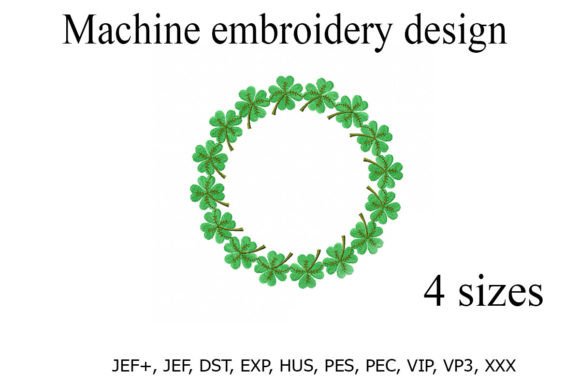
The first thing that strikes you about Clover Machine Embroidery Designs is its balanced aesthetic. Described as a "4 Leaf Embroidery Frame" and a "wreath of clover," the design sits comfortably in the Borders category, yet it functions beautifully as a standalone emblem. The visual personality is distinctly friendly and rustic, leaning towards a handmade, organic feel rather than a rigid corporate look. For businesses in the floral, bakery, café, or boutique sectors, this design communicates warmth and approachability.
The wreath structure provides a natural framing device, which is incredibly useful for enclosing text or other graphic elements. In my initial assessment, the design feels premium without being overly complex. It avoids the clutter that often plagues digital files, offering clean lines that translate well into thread. This makes it an excellent candidate for brands that want to project professionalism while maintaining a creative, artisanal vibe.
Real-World Business Applications
When evaluating Clover Machine Embroidery Designs for small business merch, I considered several common applications. The versatility of a wreath-style border allows it to adapt to various custom apparel and accessory items.
- Embroidered Patches: The circular or oval nature of a wreath makes it ideal for patches. Whether sewn onto denim jackets, canvas backpacks, or tote bags, the design creates a cohesive badge of quality. It serves as a subtle yet recognizable mark of the brand.
- Staff Uniforms and Aprons: For cafés and bakeries, apron embroidery is a powerful branding tool. Placing this clover wreath on the chest pocket area adds a decorative touch that feels intentional and high-end. It transforms a standard uniform into a curated part of the customer experience.
- Tote Bag Design: Canvas totes are a staple for retail shops. Stitching this design on the center or corner of a tote bag enhances the perceived value of the item. It turns a simple carry-all into a fashionable accessory that customers are proud to use publicly.
- Cap Embroidery: While caps require careful sizing, a simplified version of this wreath can work beautifully on the side panel or as a smaller chest logo on dad hats. It adds a unique detail that differentiates the headwear from generic stock items.
For Etsy sellers and crafters, this digital embroidery file can be used to create ready-to-ship goods or offered as part of a custom order service. The "Instant Download" nature of the product means you can begin prototyping immediately, allowing for faster turnaround times on client projects.
Technical Considerations for Production
While the aesthetic appeal is strong, successful commercial embroidery relies on technical execution. Here are my professional notes on handling this specific type of design.
Fabric and Stabilizer Selection
The description mentions stitching on towels, which implies the design can handle textured surfaces. However, when working with fabric texture like terry cloth or heavy canvas, using the correct stabilizer is non-negotiable. I recommend a cut-away stabilizer for garments that will undergo frequent washing to prevent puckering. For stable fabrics like twill or denim, a tear-away may suffice, but always test first. The density of the wreath elements must be balanced; if the stitch count is too high for the fabric weight, it can cause distortion.
Size and Scaling Constraints
One must be cautious when scaling Clover Machine Embroidery Designs down for small applications. Intricate wreaths can lose definition if stitched too small. Before committing to a large production run of embroidered patch items, stitch out a sample at the intended size. Check if the leaves merge into a solid blob or if the negative space remains clear. If the design includes fine details, ensure your machine’s needle size matches the thread weight to prevent breakage or skipped stitches.
Color Contrast and Thread Choices
Thread colors play a pivotal role in how the design reads. On dark uniforms, such as navy or black aprons, using light green or white thread ensures visibility. Conversely, on natural linen or beige totes, earthy greens and browns enhance the rustic charm. Always create a printable mockup or a physical stitch-out to verify contrast before presenting options to clients. This step saves time and materials, ensuring the final product meets brand standards.
Enhancing Brand Identity and Customer Trust
Incorporating Clover Machine Embroidery Designs into your product line does more than decorate; it builds brand equity. A consistent visual element across various touchpoints—such as packaging accents, staff attire, and sellable merchandise—creates a cohesive brand story. Customers associate the effort put into high-quality embroidery with care and attention to detail. This perception increases trust and can justify higher price points for handmade product offerings.
Furthermore, using a distinctive border design helps in visual recognition. When customers see that specific clover wreath on a tote bag or a cap, they instantly recall the associated business. This repetition reinforces brand memory and encourages loyalty. For small businesses competing in crowded markets, these subtle branding cues can be the difference between a one-time buyer and a repeat customer.
Practical Designer Notes for Implementation
Before integrating this design into your workflow, follow these steps to ensure professional results:
- Test in Black and White: Stitch the design in monochrome first to evaluate the shape and spacing without the distraction of color. This helps identify any density issues.
- Verify Hoop Size: Check the specific dimensions included in the download. Ensure the design fits within your machine’s hoop size limitations, especially if you plan to stitch multiple items in a row.
- Check Licensing: Confirm the commercial license terms. Most instant downloads allow for physical product sales, but restrictions may apply to sharing the digital file itself. Always read the fine print to protect your business.
- Create Client Mockups: Use the design assets to create realistic previews for clients. Showing them how the clover wreath looks on an apron versus a cap helps them make informed decisions and reduces revision requests.
- Compare with Other Assets: Place this design alongside your existing logo and fonts. Ensure the style of the clover complements your typography. If your brand is ultra-modern, this rustic design might need adjustment or selective use to maintain visual consistency.
In conclusion, Clover Machine Embroidery Designs offers a versatile and charming option for small business branding. Its strength lies in its ability to blend decorative appeal with functional utility across various mediums. By paying attention to technical details like stabilizer choice, stitch density, and color contrast, you can leverage this design to create high-value merchandise that resonates with your audience. Whether you are decorating uniforms, creating gifts, or expanding your Etsy shop inventory, this wreath design serves as a reliable and attractive addition to your design assets.