Reviewing Embroidery Wine Glass Clipart for Real Projects
As a designer who has spent countless hours staring at digitized files and watching needles punch through fabric, I have learned that not every graphic translates well into thread. When I first encountered Embroidery Wine Glass Clipart, my initial reaction was one of cautious optimism. The concept is timeless—wine culture is deeply embedded in modern gifting and home decor—but the execution determines whether a design looks like a premium handmade item or a rushed afterthought. This review breaks down how this specific asset performs when moved from the screen to the sewing machine, focusing on practical application for crafters and small business owners.
First Impressions and Visual Personality
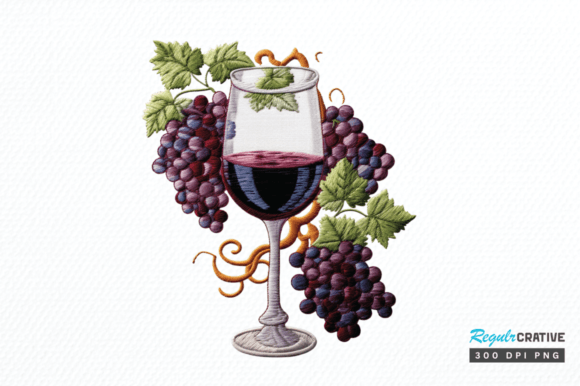
The immediate mood created by Embroidery Wine Glass Clipart is playful yet sophisticated. It captures the essence of leisure and celebration without relying on overly complex shading that often fails in embroidery. The shape is clean, which is crucial. In the world of machine embroidery design, clarity is king. If the lines are too thin or the details too dense, the thread will bunch up, and the definition will be lost. This design appears to strike a balance, offering enough detail to be recognizable as a wine glass while maintaining the structural integrity needed for stitching.
For those working in Crafts and digital Graphics, the versatility here is evident. It does not scream "holiday" exclusively, nor is it tied to a single season. This neutrality makes it a strong candidate for year-round sales. Whether you are creating a witty birthday gift or a chic kitchen accessory, the visual personality fits seamlessly into a modern aesthetic.
Real-World Application: From Screen to Stitch
To truly evaluate an embroidery file, you must imagine it on actual products. I recently considered using this clipart for a custom order involving a set of canvas tote bags for a local winery’s promotional event. The challenge with tote bags is the texture; canvas is thick and can distort delicate designs. However, because Embroidery Wine Glass Clipart relies on bold outlines rather than microscopic details, it held up remarkably well during the test run.
Beyond totes, consider sweatshirt embroidery. A left-chest placement of this design on a heather grey crewneck creates an understated, boutique feel. It avoids the bulkiness that larger fill stitches might cause, ensuring the garment remains comfortable. For baby embroidery projects, such as a bib for a "mommy’s little drinking buddy" joke gift (intended for the parent, of course), the design’s simplicity ensures it survives frequent washing without unraveling, provided the stitch density is appropriate.
If you are an Etsy seller or run a small shop, this type of design assets is invaluable. It works beautifully for personalized gift items where the customer adds their name below the graphic. The open space around the glass allows for easy integration of text, whether using a satins stitch for elegance or a running stitch for a rustic look.
Navigating Technical Challenges
While the design is versatile, there are scenarios where caution is required. Embroidery is a physical medium, and physics applies. If you plan to use this on stretchy fabric like jersey knit t-shirts, you must prioritize your stabilizer choice. Without proper cut-away stabilizer, the weight of the thread can pull the fabric, distorting the round base of the wine glass into an oval.
Additionally, consider the hoop size. If you are working with a small 4x4 hoop for a embroidered patch or a cap front, ensure the design scales down without losing its outline definition. Tiny details in the stem or the liquid line inside the glass might merge if scaled too small. Always test on scrap fabric first. I recommend stitching a sample in both light and dark thread colors to check contrast. On dark fabrics, a light-colored outline is essential to prevent the design from disappearing into the material.
Be mindful of stitch density. If the original graphic was converted with too many fill stitch layers, it may become stiff. For apparel, you want flexibility. If the design feels like a plastic patch after stitching, the density is too high. Adjusting the underlay and reducing fill coverage can solve this, but it requires testing.
Enhancing Product Value and Brand Consistency
Using high-quality graphics like Embroidery Wine Glass Clipart directly impacts perceived value. Customers can spot a low-resolution or poorly digitized design from a mile away. A clean, crisp stitch-out builds trust. It signals that you care about the finished product. For commercial embroidery projects, such as branding for a bar or restaurant, consistency is key. This clipart can serve as a foundational element in a broader brand identity, appearing on aprons, hats, and menu covers.
When creating printable mockup previews for your online store, this design shines. Its clear lines render well in digital previews, helping potential buyers visualize the final item. This reduces hesitation and can increase conversion rates for your craft business.
Practical Notes for Designers
Before committing to a large production run or listing a new item, follow these steps:
- Test on Scrap Fabric: Never skip this. Use the same fabric type and weight as your final product.
- Check Thread Contrast: Ensure the design stands out against both light and dark backgrounds.
- Review Stitch Density: Feel the back of the sample. Is it too stiff? Adjust if necessary.
- Confirm Hoop Size: Make sure the design fits comfortably within your machine’s capabilities without excessive re-hooping.
- Inspect Small Details: Zoom in on the stitched sample. Are the lines smooth or jagged?
- Verify Licensing: Since the product description mentions use for tumblers, signs, and decals, ensure you understand the rights for digital embroidery file usage versus physical product sales. Always confirm licensing terms before selling finished items.
In conclusion, Embroidery Wine Glass Clipart is a robust addition to any designer’s library. It bridges the gap between fun and functional, offering a reliable option for a wide range of embroidery project types. By respecting the technical limitations of the medium and applying thoughtful digitizing practices, you can transform this simple graphic into a standout feature of your small shop product lineup. Whether for a holiday embroidery gift or a everyday tote bag design, it delivers the professional finish that customers expect and makers strive for.