Reviewing the Embroidery Floral Colorful Pattern for Real Projects
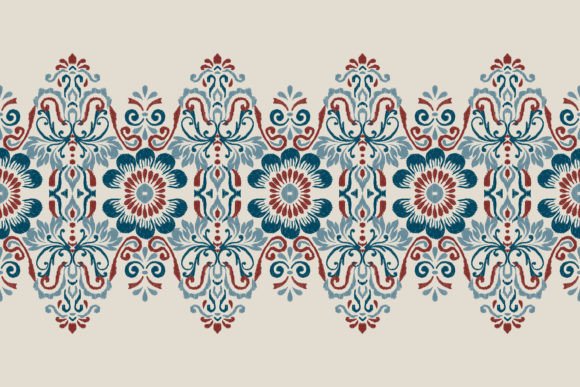
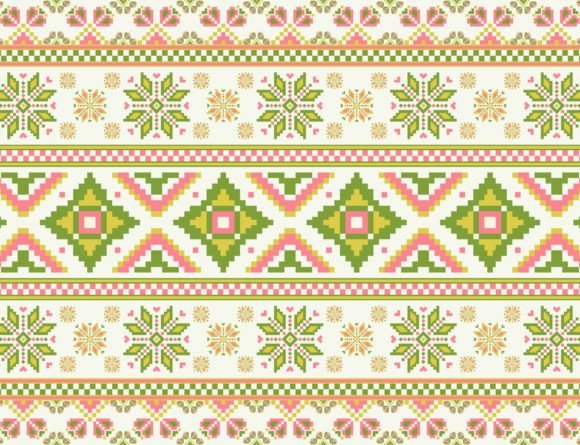
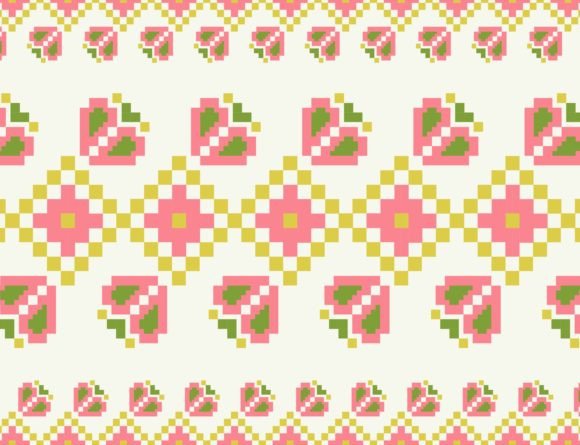
As a designer who has spent countless hours staring at digitizing software and even more time unpicking bad stitches, I approach every new machine embroidery design with a mix of curiosity and skepticism. We have all seen those flashy previews that look perfect on a screen but turn into a tangled mess on fabric. Recently, I downloaded the Embroidery Floral Colorful Pattern to see if it holds up under the needle. This isn’t just another generic floral; it is an ethnic floral colorful embroidery border pattern with a distinct vector geometric floral shape and a pixel art style. My goal was to determine if this graphic asset translates well into a tangible, high-quality finished product for my clients.
First Impressions: Geometry Meets Thread
The first thing that strikes you about this design is its structural integrity. Unlike soft, flowing botanical illustrations that rely heavily on subtle shading, this pattern relies on bold lines and geometric repetition. The pixel art style gives it a retro, digital-native feel that contrasts beautifully with the organic nature of thread. When I loaded the file into my viewer, the layout appeared clean. The ethnic geometric stitch pattern suggests a seamless flow, which is ideal for borders. For a designer, this means versatility. It doesn’t scream for attention in a chaotic way; instead, it offers a rhythmic visual anchor.
The mood is playful yet structured. It feels modern, appealing to a demographic that appreciates both handmade warmth and contemporary graphic design. This duality makes it a strong candidate for various applications, from youthful apparel to chic home decor. However, the "colorful" aspect requires careful planning. In embroidery, color is not just aesthetic; it is technical. Each color change adds time and potential for thread breaks or bird nests. I noted that while the preview shows vibrant hues, the success of the final look depends entirely on your thread choice and fabric contrast.
Real-World Application: The Tote Bag Test
To truly evaluate the Embroidery Floral Colorful Pattern, I needed a real-world scenario. I chose a custom embroidered tote bag project for a local boutique client. They wanted something eye-catching but durable enough for daily use. A tote bag provides a large, flat canvas, making it perfect for testing a border pattern. I positioned the design along the bottom hem, allowing the geometric shapes to frame the bag without overwhelming the main body.
During the stitching process, I paid close attention to the stitch density. Geometric patterns can sometimes be too dense, causing puckering, especially on cotton canvas. Fortunately, this design seemed balanced. The pixelated edges allowed for clear definition without requiring excessive satin stitches that might pull the fabric. The result was crisp. The ethnic motifs stood out sharply against the natural linen background. Customers at the craft fair where we displayed these bags were drawn to the unique blend of traditional ethnic vibes and modern pixel aesthetics. It wasn’t just another floral tote; it was a statement piece.
Versatility Across Product Lines
Beyond tote bags, this design shines in several other areas. For custom apparel, such as a sweatshirt or a denim jacket, the border style works exceptionally well on cuffs or hems. The geometric nature ensures that the design remains legible even from a distance. For baby embroidery, parents often shy away from overly complex designs, but the simple, blocky shapes of this pattern are charming and easy to clean, provided the stitch density isn’t too high for delicate fabrics.
I also considered its use in home decor. As a table runner or tablecloth border, the seamless nature of the pattern allows for continuous repetition. This is where the vector origin of the design becomes an advantage. It scales well. Whether you are creating a small embroidered patch for a cap or a large panel for a pillow cover, the integrity of the geometric shapes remains intact. For Etsy sellers and small shop owners, this versatility is crucial. One design asset can generate multiple product listings, maximizing return on investment.
Technical Considerations and Pitfalls
While the design is robust, it is not without its challenges. The pixel art style relies on sharp angles. On curved surfaces, such as the front of a cap or a rounded pillow, these angles can distort if not hooped correctly. I recommend using a sturdy stabilizer to maintain shape integrity. Additionally, when working on stretchy fabrics like jersey for t-shirts, the geometric lines must be stabilized properly to prevent warping after washing.
Another critical factor is fabric texture. On highly textured fabrics like wool or heavy tweed, the fine details of the pixel edges might get lost. This design performs best on smooth to medium-texture fabrics like cotton, linen, or denim. If you are using dark fabric, ensure your thread colors have high contrast. A dark blue thread on black fabric will render the intricate geometric details invisible. Always test your thread colors on scrap fabric first. I personally create black and white mockups to check for value contrast before committing to the full-color stitch-out.
Enhancing Brand Value and Customer Trust
From a business perspective, the quality of your embroidery file directly impacts perceived value. A clean, well-digitized design like this one signals professionalism. When customers see precise stitching with no loose threads or distorted shapes, they trust the maker. This trust translates into higher price points and repeat business. For commercial embroidery projects, consistency is key. Since this is a digital pattern, once you dial in the settings for your specific machine and fabric, you can reproduce the same high-quality result every time.
Furthermore, the unique aesthetic helps in brand differentiation. In a market saturated with generic florals, the ethnic geometric angle offers a niche appeal. It speaks to a customer base that values cultural motifs and modern design sensibilities. This can be a powerful tool for brand consistency if you are building a line of products around a specific theme.
Final Designer Notes
Before you integrate the Embroidery Floral Colorful Pattern into your next big launch, keep these practical tips in mind:
- Check Licensing: Always confirm the license terms. Ensure you have the right to use the design for commercial purposes if you are selling finished items or digital products.
- Test Stitch Density: Run a test on your specific fabric. Adjust tension if necessary to prevent puckering.
- Hoop Size Matters: Verify that your hoop size accommodates the full border length if you plan to stitch it continuously.
- Thread Quality: Use high-quality rayon or polyester threads to ensure the colors pop and the stitches lie flat.
- Mockup First: Use digital mockups to visualize the design on different products before stitching.
In conclusion, this pattern is a solid addition to any designer’s library. It bridges the gap between traditional ethnic motifs and modern digital aesthetics. With proper preparation and attention to detail, it can elevate your handmade product lineup, offering a fresh, professional look that resonates with today’s conscious consumers. Whether you are creating a personalized gift or scaling up for a small shop product line, this design delivers both style and substance.