Aztec Geometric Embroidery Pattern: A Designer’s Review
As an embroidery designer who has spent years refining digitized art for commercial apparel, I approach every new machine embroidery design with a critical eye. It is not enough for a pattern to simply look good on a screen; it must translate beautifully onto fabric, withstand the rigors of daily wear, and elevate the perceived value of the garment. Recently, I evaluated the Aztec Geometric Embroidery Pattern for an upcoming limited-edition sweatshirt drop for a boutique client. This review breaks down how this specific graphic performs in a real-world production environment, focusing on aesthetics, technical execution, and brand impact.
First Impressions and Aesthetic Mood
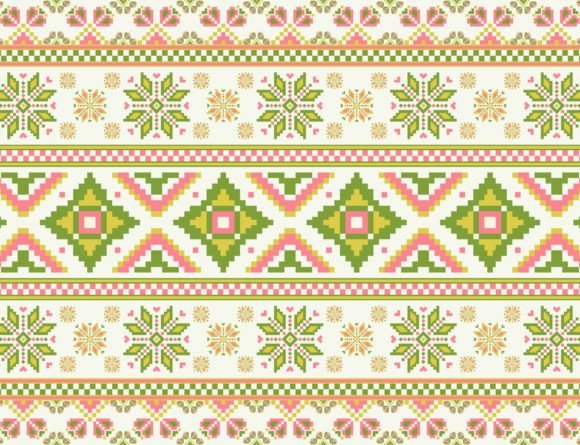
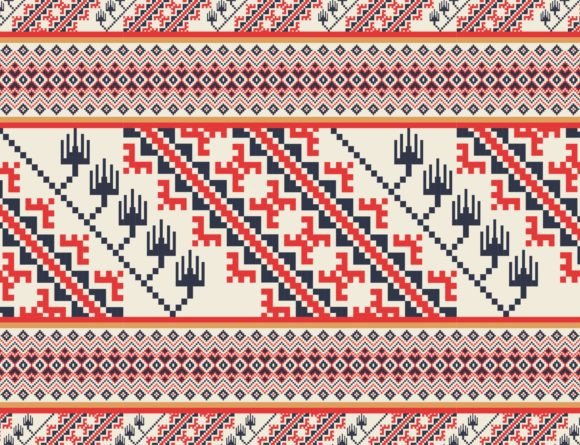
The initial visual impact of the Aztec Geometric Embroidery Pattern is striking. Drawing inspiration from traditional Kilim textiles, the design merges ethnic heritage with a modern pixel-art sensibility. For a small clothing brand aiming to stand out in a saturated market, this blend of rustic tradition and digital precision offers a unique selling point. The geometric shapes are bold yet balanced, creating a rhythm that feels both playful and sophisticated.
When I visualize this pattern on neutral sweatshirts, such as heather grey or oatmeal, the contrast allows the intricate details to pop without overwhelming the viewer. On dark fabrics like charcoal or navy, the design takes on a more subtle, premium quality, especially if paired with high-sheen rayon threads. For pastel colors, the pattern adds a necessary structural element that prevents the garment from looking too plain. Whether applied to oversized hoodies or fitted cozy seasonal apparel, the mood shifts effortlessly from casual comfort to curated style.
Placement Strategies for Sweatshirts and Hoodies
One of the strongest assets of this embroidery file is its versatility in placement. In my experience, sweatshirt embroidery thrives when the design is scaled appropriately for the garment's architecture. Here is how I would deploy this pattern for maximum visual impact:
- Chest Placement: A smaller, centered version of the Aztec motif works perfectly on the left chest of a hoodie. This creates a classic, branded look that appeals to customers seeking understated elegance.
- Sleeve Accents: Running a vertical strip of the seamless geometric pattern down the sleeve adds a dynamic, sporty edge. This is particularly effective for streetwear-inspired boutique brands.
- Back Designs: Scaling up the pattern for a large back print transforms a basic sweatshirt into a statement piece. The pixel-art style ensures that even at larger sizes, the lines remain crisp and readable.
For Etsy sellers and handmade business owners, offering multiple placement options can significantly increase customer engagement. Buyers love customization, and showing how the same digital embroidery file can look different depending on its location helps them visualize the finished product.
Technical Considerations for Production
While the aesthetic appeal is undeniable, practical designer concerns must take precedence before hitting the "start" button on the machine. The description notes that this is a vector-based geometric shape, which suggests clean lines, but embroidery requires careful attention to stitch density and fabric interaction.
Stitch Density and Fabric Texture
Sweatshirts and hoodies are typically made from heavy cotton blends or fleece. These fabrics have a distinct texture that can swallow fine details if the stitch density is too low. Conversely, if the density is too high, the fabric may pucker or become stiff. When using the Aztec Geometric Embroidery Pattern, I recommend testing on scrap fabric first to ensure the pixel-art elements do not merge into a solid block of thread. The goal is to maintain the individual geometric integrity while ensuring durability.
Stabilizer Choice
Given the weight of sweatshirt material, a cut-away stabilizer is usually the best choice for long-term durability. It provides consistent support that withstands washing and wearing. However, if you are working with a lighter-weight jersey for a t-shirt variant of this collection, a tear-away stabilizer might suffice, provided the design does not have excessive pull compensation.
Thread Color Contrast
The success of this design hinges on thread color selection. Because the pattern is geometric and pixelated, high contrast between the thread and the fabric is essential for readability. Earth tones like terracotta, mustard, and deep teal work well to honor the ethnic roots of the Kilim inspiration, while metallic threads could add a festive, decorative touch for holiday collections.
Note: Always check the specific hoop size requirements and stitch count provided with your download, as these details were not explicitly included in the brief product description. Ensuring the design fits your machine’s maximum hoop capacity is crucial for planning layout efficiency.
Elevating Brand Identity and Product Value
For creative entrepreneurs and small shop owners, the choice of design assets directly influences brand identity. Using a high-quality commercial embroidery pattern like this one signals professionalism. It moves the product away from generic, mass-produced aesthetics and toward a curated, handmade feel.
When photographing these items for Etsy listings or social media, the texture of the embroidery adds depth to printable mockup previews and real-life shots. The raised surface of the stitches catches the light, creating visual interest that flat prints cannot achieve. This tactile quality builds buyer trust, as customers can almost feel the quality through the screen.
Furthermore, incorporating ethnic and geometric patterns taps into current trends favoring artisanal and globally inspired designs. By positioning the Aztec Geometric Embroidery Pattern as part of a cohesive collection, you enhance visual recognition. Customers begin to associate your boutique brand with thoughtful design choices and premium materials.
Final Verdict for Small Businesses
In conclusion, the Aztec Geometric Embroidery Pattern is a robust addition to any designer’s library of graphics and patterns. It bridges the gap between traditional textile art and modern digital style, making it suitable for a wide range of apparel projects. Whether you are creating custom apparel for a local event or building a year-round inventory for an online store, this design offers the flexibility and visual punch needed to succeed.
Remember to prioritize proper stabilization and test your thread colors against your specific fabric batch. With careful execution, this pattern will not only enhance the aesthetic appeal of your sweatshirts but also contribute to a stronger, more recognizable brand identity. For the handmade product creator, investing in versatile, high-quality designs is the key to scaling your business while maintaining the artisanal charm that customers crave.