Pink Floral Embroidery Digital Papers Review
As an embroidery designer who has spent countless weekends standing behind booth tables, I have learned that visual appeal is the currency of the craft fair. When a potential customer walks past your display, you have mere seconds to catch their eye. This is why I approach every new set of Pink Floral Embroidery Digital Papers with a critical, business-minded eye. I am not just looking for pretty pictures; I am looking for assets that translate into high-selling craft fair products. Recently, I evaluated this specific collection to determine if it holds up under the scrutiny of real-world production and sales.
First Impressions: Soft Elegance Meets Market Appeal
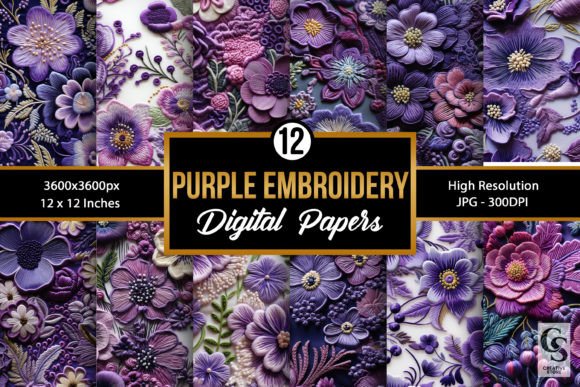
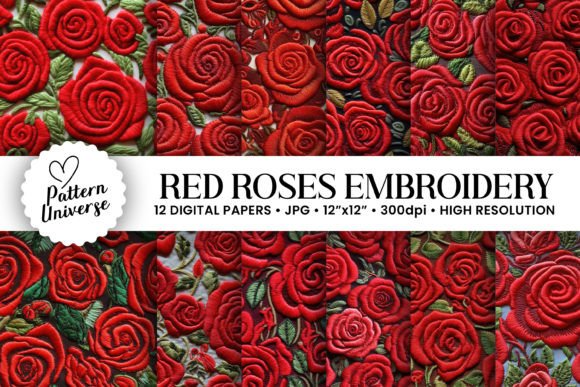
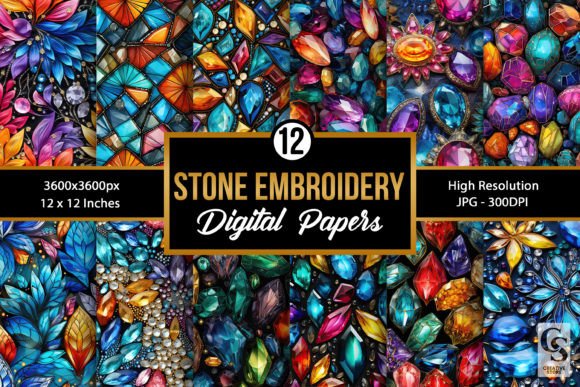
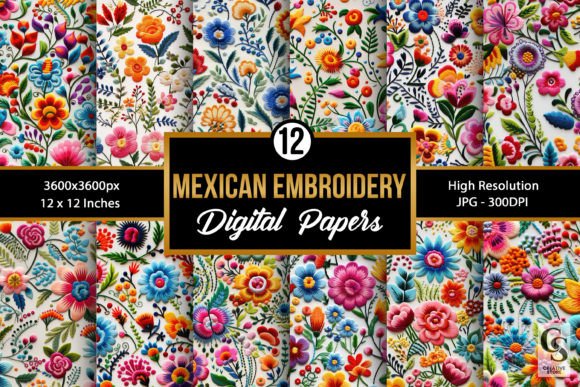
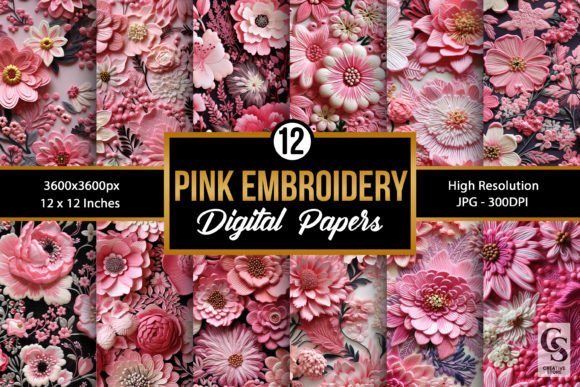
The moment I unzipped the file containing the 12 Pink Floral Embroidery Seamless Patterns, the aesthetic was immediately clear. These are not loud or chaotic; they possess a soft, romantic quality that fits perfectly into the current trend of cottagecore and modern farmhouse styles. The pink hues are versatile, ranging from blush to slightly deeper rose tones, which makes them appealing to a broad demographic. For an Etsy seller or boutique maker, this versatility is crucial. You do not want a design that only appeals to a niche audience. These Graphics feel premium and delicate, suggesting a high level of care in the final finished product.
What stands out most is the seamless nature of the patterns. With 12 distinct options included in the zip file, you have enough variety to create a cohesive collection without repeating the exact same look on every item. This is vital for brand consistency. When customers see a matching set of items at your booth, they are more likely to buy multiple pieces as gifts.
Translating Digital Assets to Handmade Products
The core challenge for any digital embroidery file user is translating a screen image into a tactile object. Since these are provided as high-resolution JPG files at 300dpi (3600 x 3600 pixels), they are technically design assets rather than direct machine embroidery stitches. However, their value lies in their application. I tested these patterns mentally against several key handmade product categories.
- Tote Bag Design: A large-scale floral pattern works beautifully on canvas tote bags. The pink flowers provide a gentle contrast against natural beige or white cotton, creating a look that is both stylish and practical.
- Apron Embroidery: For kitchen wear, these patterns can be used as all-over prints or focused on the bib area. They evoke a sense of warmth and home, which sells well in local markets.
- Tea Towel Embroidery: This is where the seamless nature shines. You can print or transfer these designs onto linen or cotton towels. The resolution is high enough to ensure the details remain crisp, avoiding the pixelated look that ruins perceived quality.
- Embroidered Patch: While these are digital papers, they serve as perfect templates for creating dense satin stitch patches. The floral motifs are distinct enough to be cut out and applied to caps or jackets.
Practical Production and Selling Points
From a production standpoint, efficiency is key. If you are preparing for a busy season, you need designs that are repeatable. The Pink Floral Embroidery Digital Papers allow for batch production because the seamless patterns can be tiled. This means you can print fabric yards in advance or digitize a single section and repeat it across larger hoops. This reduces the time spent on digitizing complex layouts from scratch.
Photography is another major factor. These patterns photograph exceptionally well. The soft pink tones do not glare under bright booth lights or camera flashes, unlike metallic or neon colors. For your online listings, using these patterns as backgrounds for printable mockup creation can elevate your brand presentation. They provide a professional, cohesive look that tells customers you pay attention to detail.
Navigating Technical Challenges
However, we must address the technical realities. Since these are JPGs and not vector files or native embroidery formats, you cannot simply load them into your machine. You must use them as references for digitizing or as printed transfers. If you are printing directly onto fabric, ensure your printer handles 300dpi images correctly to maintain clarity. If you are digitizing based on these visuals, pay close attention to stitch density.
Dense floral areas can become stiff if over-stitched. I recommend testing on scrap fabric first. Check how the thread colors interact with your base fabric. On dark fabrics, you may need to adjust the brightness of the pink or add an underlay to make the design pop. Also, consider the hoop size you are working with. A 12x12 inch pattern is large; ensure your machine can handle the scale, or break the design into smaller, manageable sections for smaller hoops.
Be cautious with textured materials like thick terry cloth towels. The fine details of the floral petals might get lost in the pile. In such cases, simplify the design or use a stabilizer that provides a smooth surface for stitching. For curved surfaces like caps, avoid placing large, continuous floral blocks where the fabric stretches, as this can distort the image.
Boosting Brand Value and Customer Engagement
Using high-quality Patterns like these elevates your perceived value. Customers often equate intricate, well-placed designs with higher price points. By incorporating these pink florals into your small shop product line, you signal that your brand is thoughtful and trendy. It helps in creating a narrative around your items—perhaps a "Spring Garden" collection or a "Romantic Home" series.
Moreover, these assets are perfect for creating marketing materials. Use the JPGs to design social media posts, email headers, or packaging inserts. This creates a unified brand experience from the first click on your Etsy store to the unboxing of the physical item. Consistency builds trust, and trust drives sales.
Final Designer Notes
Before you commit to full production, always verify the commercial licensing terms. While the product description mentions they are perfect for various uses, confirm that you have the right to sell finished physical goods made with these designs. Additionally, since the files are JPGs, remember that they are raster images. If you plan to scale them significantly beyond 12 inches, check for pixelation.
Create at least one real mockup before listing. Print the design on the actual fabric you intend to use. Compare it against different background colors to see which combination offers the best contrast. Test your stabilizer choice to ensure the fabric does not pucker. These small steps prevent costly mistakes and ensure that every item leaving your studio meets your high standards.
In conclusion, Pink Floral Embroidery Digital Papers are a strong addition to any creative entrepreneur’s toolkit. They offer the flexibility needed for diverse commercial embroidery projects while maintaining the aesthetic appeal required to stand out in a crowded marketplace. Whether you are making tote bags, aprons, or decorative pillows, these patterns provide a solid foundation for creating beautiful, sellable handmade goods.