Baby Zebra Embroidery: A Designer’s Review
As an embroidery designer who has spent years digitizing and reviewing thousands of patterns, I approach every new machine embroidery design with a critical eye. It is not enough for a pattern to simply look cute on a screen; it must perform flawlessly under the needle when applied to real-world products. Recently, I evaluated the Baby Zebra Embroidery file, and my assessment focuses heavily on its viability for small business merchandise and branded patch use. This is not just a decorative element; it is a potential asset for boutique owners, apparel decorators, and handmade brands looking to elevate their product offerings.
First Impressions and Visual Personality
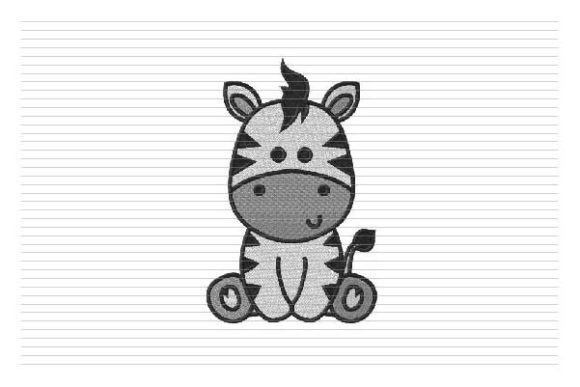
The immediate visual impact of this design is undeniably friendly and playful. Featuring a little zebra in a sitting position, the artwork captures a sense of innocence and charm that resonates well with specific market segments. For businesses in the Baby Animals niche, this aesthetic is gold. However, from a professional standpoint, I look beyond the cuteness to evaluate its structural integrity. The lines appear clean, suggesting a digitization that prioritizes clarity over unnecessary complexity. This is crucial because overly complex designs often fail when scaled down for patches or caps. The sitting posture offers a compact footprint, which is advantageous for limited space applications like chest logos or sleeve details.
Real-World Business Applications
For small business owners, the versatility of a digital embroidery file determines its return on investment. Here is how I envision the Baby Zebra Embroidery performing in various commercial contexts:
- Embroidered Patches: This is perhaps the strongest use case. The compact nature of the sitting zebra makes it ideal for iron-on or sew-on patches. These can be sold as standalone accessories or used to brand tote bags and denim jackets without overwhelming the garment.
- Custom Apparel for Kids’ Brands: If you run an Etsy shop or a local boutique specializing in children’s wear, this design is perfect for onesies, toddler t-shirts, and baby hats. It adds a premium, handmade touch that mass-produced prints cannot replicate.
- Café and Boutique Merch: Imagine a family-friendly café or a pet-themed bookstore using this zebra as a subtle accent on staff aprons or tote bags. It softens the brand image, making it feel more approachable and community-oriented.
- Gift Items and Souvenirs: The description notes suitability for gifts and souvenirs. I agree. Stitching this onto plush toys, pillowcases, or canvas bags creates high-perceived-value items that customers love to purchase as thoughtful presents.
Technical Considerations for Production
While the design is charming, successful execution requires attention to technical details. As a designer, I always advise testing any new embroidery file before committing to a large production run. Here are the critical factors to consider:
Stitch Density and Fabric Texture
The stitch density of this design appears balanced, but you must test it on your specific fabric. If you are stitching on thick towels or textured home decor items, ensure the needle penetrates cleanly without causing puckering. Conversely, on delicate fabrics like silk or thin cotton blends, a proper stabilizer is non-negotiable. I recommend using a cut-away stabilizer for garments that will undergo frequent washing, such as kids' clothing, to maintain the shape of the zebra over time.
Scale and Hoop Size
One common mistake is assuming a design will look good at any size. Before finalizing your hoop size, create a printable mockup at 100% scale. Place it on the actual garment or patch blank. Does the zebra lose its definition when shrunk to two inches? If the details become muddy, you may need to adjust the scale or simplify the thread colors. Always confirm the recommended hoop size provided with the file to avoid hitting the hoop edges during stitching.
Thread Colors and Contrast
The classic black-and-white stripes of a zebra offer high contrast, which is generally good for visibility. However, when stitching on dark uniforms or navy blue tote bags, ensure you use a bright white thread that stands out. Test different thread colors to see if a slight off-white or cream provides a softer, more premium look compared to stark bright white. For a modern twist, some designers might experiment with non-traditional colors, but for brand consistency, sticking to natural tones is usually safer.
Brand Identity and Customer Trust
Incorporating Baby Zebra Embroidery into your product line does more than just decorate an item; it reinforces your brand identity. For handmade brands, using high-quality commercial embroidery signals professionalism and care. Customers associate intricate, well-stitched designs with higher value. When a customer sees a neatly embroidered zebra on a tote bag or apron, they perceive the product as durable and thoughtfully crafted. This builds trust and encourages repeat business.
Moreover, consistent use of such design assets across your small business merch—from packaging tags to staff uniforms—creates visual consistency. It helps customers recognize your brand instantly. Whether you are a florist adding a touch of whimsy to your delivery bags or a creative studio branding your workshop aprons, this design serves as a versatile tool for engagement.
Where to Use Caution
Despite its strengths, there are scenarios where this design might not be the best choice. Avoid using it on items requiring extreme durability in high-friction areas, such as the knees of work pants, unless reinforced properly. Also, be cautious with very small patch sizes where the facial features of the zebra might blur. If your business relies on tiny lettering or intricate outlines, ensure this design complements rather than competes with text elements. Always check the license terms included with the digital embroidery file to confirm it allows for commercial use on physical goods you intend to sell.
Final Verdict for Designers and Makers
The Baby Zebra Embroidery is a solid addition to any designer’s library, particularly for those targeting the children’s market, pet lovers, or whimsical lifestyle brands. It balances aesthetic appeal with practical applicability. To maximize its potential, treat it as a strategic design asset. Test it rigorously on your specific materials, optimize your stabilizer choice, and ensure it aligns with your brand’s visual language. When executed with precision, this design can transform simple blanks into coveted finished product items that drive sales and enhance brand loyalty. Remember, the key to successful custom apparel and merch lies not just in the design itself, but in the quality of its execution.