Reviewing Baby Monkey Embroidery for Craft Fairs
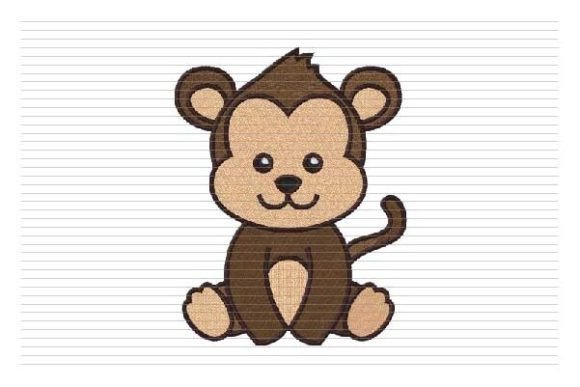
As an embroidery designer who has spent countless weekends standing behind booth tables, I know that not every design translates from a digital screen to a physical sale. When I first loaded the Baby Monkey Embroidery file into my digitizing software, I was looking for more than just cuteness. I was looking for commercial viability. This design features a cute little monkey in a sitting pose, and on paper, it sounds like a staple for the nursery market. But does it hold up under the harsh fluorescent lights of a convention center or the natural light of an outdoor market? Let’s break down why this specific design might be the secret weapon your handmade shop needs this season.
First Impressions: Soft, Playful, and Market-Ready
The immediate visual impact of Baby Monkey Embroidery is undeniably soft and approachable. In a sea of bold, rustic, or minimalist designs, this piece leans heavily into the "aww" factor. It feels decorative yet simple, avoiding the clutter that often plagues complex animal motifs. For craft fair sellers, this is crucial. Customers walking past your table have mere seconds to decide if they stop. A clean, recognizable silhouette of a baby monkey invites engagement without overwhelming the viewer. It fits perfectly within the Baby Animals category, appealing to parents, grandparents, and anyone looking for a gentle, heartwarming gift.
Product Versatility: Where This Design Shines
The true test of any machine embroidery design is its adaptability. I evaluated how this monkey motif performs across various substrates commonly used by Etsy sellers and boutique makers.
- Tote Bag Design: Placed centrally on a canvas tote, the monkey becomes a focal point. The sitting pose provides a stable base that looks intentional and balanced. It transforms a generic bag into a unique small shop product.
- Apron Embroidery: For children’s aprons, this design is a winner. It sits well on the bib area, adding personality to kitchen wear. The simplicity ensures it doesn’t interfere with the functionality of the garment.
- Tea Towel Embroidery: This is perhaps the strongest application. The design scales beautifully for the corner or center of a flour sack towel. It adds value to a low-cost item, turning a basic textile into a premium handmade product.
- Embroidered Patch: If you offer iron-on or sew-on patches, this monkey works exceptionally well. The defined edges of the sitting pose make it easy to cut and apply, appealing to customers who want to customize their own denim jackets or backpacks.
Beyond these, consider pillow covers and fabric pouches. The design’s charm elevates these items from utility to decor, making them ideal for nursery room decor or baby clothing lines.
Production Practicality for Batch Selling
When preparing for a craft fair, efficiency is key. You cannot spend hours hooping and trimming every single item. Baby Monkey Embroidery appears to be designed with production in mind. The sitting pose suggests a compact footprint, which means less thread usage and faster run times compared to full-body standing animals with extended limbs. This makes it a viable candidate for batch production. You can hoop multiple caps or pouches in advance, knowing the design will stitch out consistently.
Furthermore, the design photographs well. For online listings, clarity is everything. A simple, cute monkey reads clearly even in thumbnail images on mobile devices. This enhances your digital embroidery file marketing, allowing you to create compelling printable mockup assets that show the design on various products without needing to physically produce every sample first.
Careful-Use Notes and Technical Considerations
While the design is strong, there are technical nuances every embroidery business owner must address to ensure quality. Here are my professional notes for executing this design flawlessly:
- Stitch Density and Fabric Texture: Check the stitch density of the file. If the monkey’s face or body has high-density satin stitches, avoid using thin, stretchy fabrics without proper support. On textured towels, ensure the stitches are dense enough to cover the weave but not so dense that they cause puckering.
- Small Details: Examine the eyes and facial features. If these are tiny, they may get lost on dark fabric or if the thread colors do not contrast sufficiently. Always test thread colors against your background fabric. A dark brown monkey on a navy blue tote might disappear; consider using a lighter tan or adding a white outline for definition.
- Curved Surfaces: If applying this to caps, remember that the curved surface distorts the view. The sitting pose is generally stable, but ensure you use the correct cap frame and stabilizer to prevent shifting during stitching.
- Scale Matters: Do not shrink this design too small. Intricate details in the fur or facial expression may merge if reduced beyond a certain point. Keep it large enough to maintain its character as a decorative element.
Enhancing Brand Consistency and Buyer Engagement
Incorporating Baby Monkey Embroidery into your lineup can strengthen your brand identity if you position it correctly. It signals that your shop offers thoughtful, high-quality items suitable for sensitive audiences like babies and children. This builds trust. When customers see consistent quality in your finished product—clean backs, trimmed threads, and vibrant colors—they are more likely to engage with your brand.
For booth display strength, use this design on items at eye level. A row of embroidered tea towels featuring the monkey creates a cohesive visual block that draws the eye. It acts as an anchor for your display, suggesting a theme of warmth and care. This emotional connection drives buyer engagement, turning casual browsers into committed customers.
Final Designer Recommendations
Before you commit to a large production run, follow these essential steps. First, always test the design on scrap fabric that matches your final product material. This allows you to check for registration issues and adjust tension if necessary. Second, confirm the hoop size required. While the description mentions multiple embroidery file formats, you must ensure the design fits your specific machine’s hoop capabilities without resizing, which can distort stitch angles.
Third, review the licensing terms. As a commercial embroidery provider, you need to confirm that the digital embroidery file includes commercial rights for selling finished products. Never assume; always verify. Finally, create at least one real mockup. Photograph the embroidered monkey on the actual item you plan to sell. Compare different fabric colors to see which combination offers the best visual appeal.
Baby Monkey Embroidery is more than just a cute image; it is a strategic asset for your handmade business. With careful attention to stabilizer choice, thread contrast, and product selection, it can become a bestseller in your craft fair inventory. Whether you are an experienced Etsy seller or a new creative entrepreneur, this design offers the balance of charm and practicality needed to succeed in the competitive world of handmade goods.